

Commercial Property Construction Defects in Colorado
At Elkus & Sisson, P.C., our commercial property construction defect attorneys work with business owners and investors. We specialize in overcoming complex contract limitations to hold contractors accountable and protect your valuable operating assets.
Your commercial property is an operating asset. When leaks, soil movement, or system building failures appear – whether in a retail center or an office tower – you’re not looking at routine maintenance. You’re facing construction defects that disrupt operations and erode asset value.
At Elkus & Sisson, we try these cases. Contractors and insurers often point to contract clauses to limit responsibility. We know how to evaluate those provisions and hold the right parties accountable.
Common Defects in Colorado Commercial Properties
Construction defects in a commercial building don’t just damage the structure – they interrupt tenants, jeopardize leases, and devalue the investment. We investigate and litigate issues common along the Front Range, including:
Building-Envelope Failures
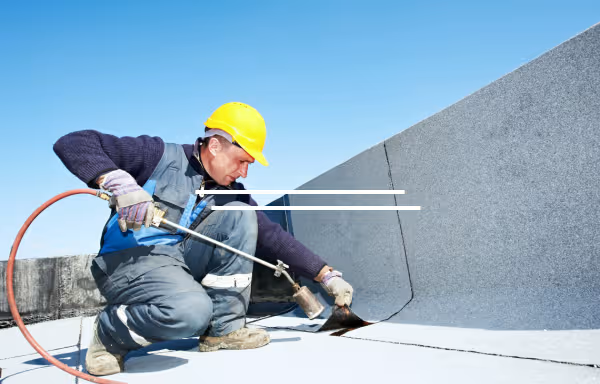
Flat roofs, parapets, and flashing details are frequent sources of ponding and intrusion. We handle complex commercial roofing claims that damage inventory, tenant improvements, and building systems—and can even jeopardize manufacturer warranties.
Structural & Expansive-Soil Movement
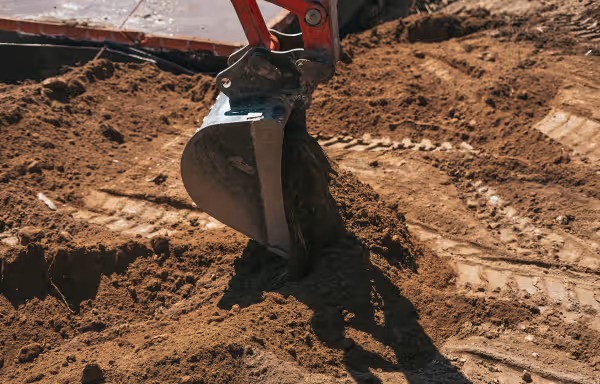
Colorado’s expansive clays can heave slabs and distress foundations. If a warehouse slab is out of tolerance for forklift traffic or an office foundation is cracking, you may be dealing with a structural failure.
Mechanical, Electrical & Life-Safety Systems
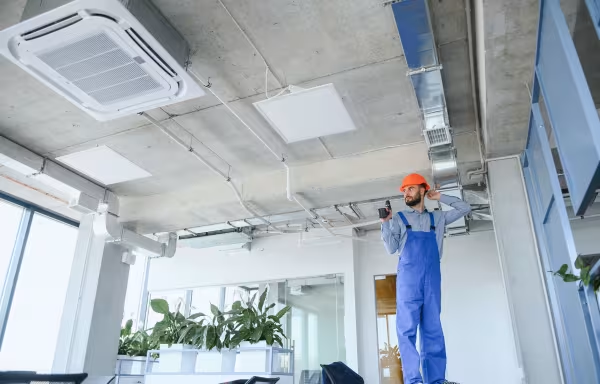
Defects include inadequate HVAC design/commissioning, fire-suppression and alarm issues, and electrical capacity or grounding deficiencies that create habitability and safety risks.

Design & Code Compliance
Sometimes the plans are the problem, e.g., poor drainage design or accessibility compliance errors (such as ADA-related site and path-of-travel issues) that expose owners to claims.
Who May Be Responsible
Commercial claims are not residential disputes. Liability can extend across the project team:
Contract Limits & Waivers
Commercial contracts often include shortened limitation periods, waivers of certain damages, or limitation-of-liability clauses. We scrutinize your agreements, assess enforceability, and identify recognized exceptions under Colorado law (for example, where claims sound in fraud or willful and wanton conduct), then build a recovery path across all responsible parties and available insurance.
Developer & General Contractor
Typically primary defendants for delivering work that should meet code and accepted construction standards.
Architects & Engineers
Design professionals may be responsible where plans/specs are deficient.
Subcontractors & Suppliers
Trades and suppliers are pursued for defects within their scopes or products.
Your Rights Under CDARA (Colorado Law)
The Construction Defect Action Reform Act (CDARA) sets mandatory steps and deadlines for construction-defect claims:
Notice of Claim
MANDATORY PRESUIT
Before suit, owners must provide written notice and allow inspections and an opportunity to offer repair or settlement. We manage the process to preserve leverage and keep your matter moving.
Statute of Limitations
GENERALLY 2 YEARS
Generally two years from when you knew or should have known of the physical manifestation of the defect.
Statute of Repose
GENERALLY 6 YEARS (UP TO 8 YEARS)
Generally six years from substantial completion (up to eight years in certain circumstances).
Deadlines can be affected by contract terms and facts specific to your project. These calculations are technical – don’t guess. We’ll review your documents and timeline to protect your claims.
Damages We Pursue
We treat litigation as a business decision. With forensic accountants and independent estimators, we quantify:
Cost of Repair
Removing defective work and restoring assemblies to code-compliant condition – no “temporary patch” pricing.
Diminution in Value
Proven market-value loss tied to persistent stigma or non-repairable conditions.
Business Interruption / Lost Use
Lost rent, downtime, and reasonable tenant-relocation costs attributable to the defect and repairs.
Expert & Investigation Costs
Recovery of reasonable testing and consulting expenses where available.
Why Elkus & Sisson for Commercial Claims
As experienced commercial construction defect lawyers, we bring a business-first strategy and deep forensic resources to drive efficient, defensible recoveries for commercial property owners.
Business-Focused Strategy
We frame the case around asset protection, lease obligations, and cash-flow impact.
End-to-End Management
We take on experts, discovery, and negotiation so you can run the business.
Forensic Resources
We work with top regional forensic architects, structural and geotechnical engineers, and building-envelope specialists to prove causation and cost.
Aligned Fees
We often handle construction-defect matters on a contingency fee basis – no attorneys’ fees unless we obtain a recovery (costs may be advanced and reimbursed from the settlement).
Our Commercial Property Construction Defect Attorneys
At Elkus & Sisson, P.C., our team of experienced attorneys is dedicated to helping property owners across Denver, Aurora, Boulder, and beyond navigate construction defect claims. We have a proven track record of success in holding contractors, developers, and builders accountable for defective work and ensuring our clients receive the compensation they deserve.
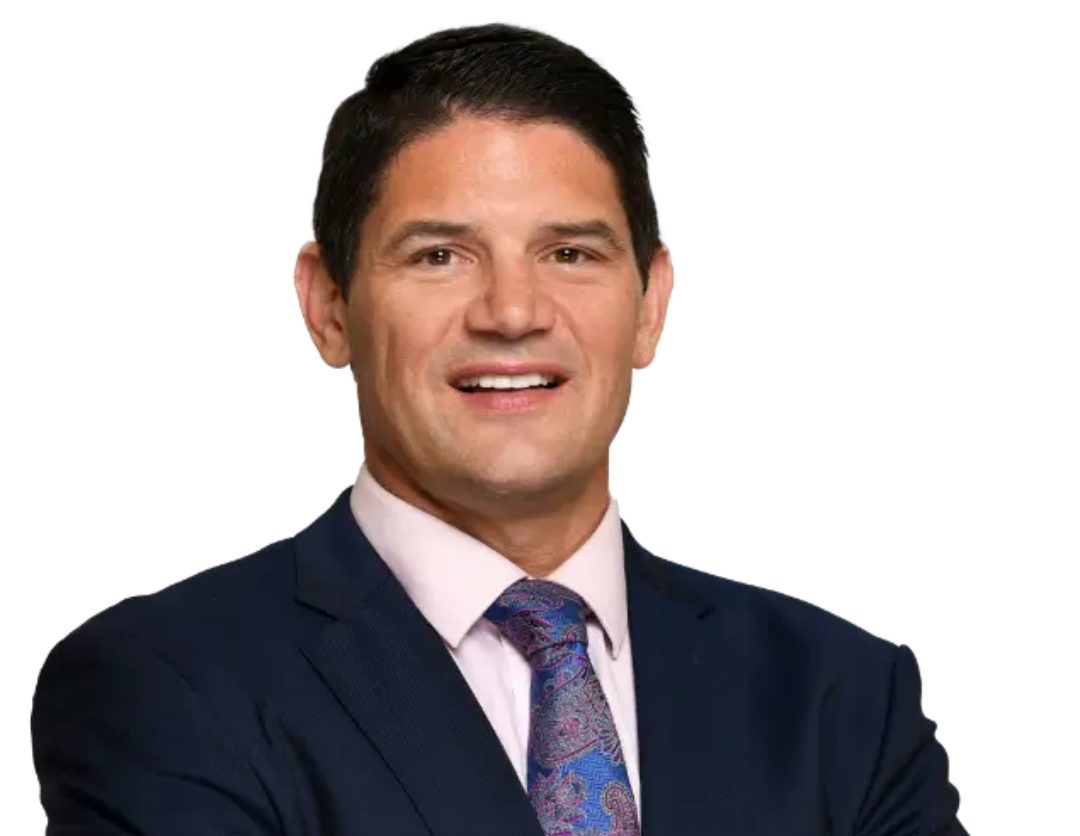
Donald Sisson
Donald Sisson is an accomplished lead counsel in Denver, CO with many successful outcomes in various areas of practice including complex civil litigation, construction law, real estate litigation, corporate disputes, personal injury, and police defense…
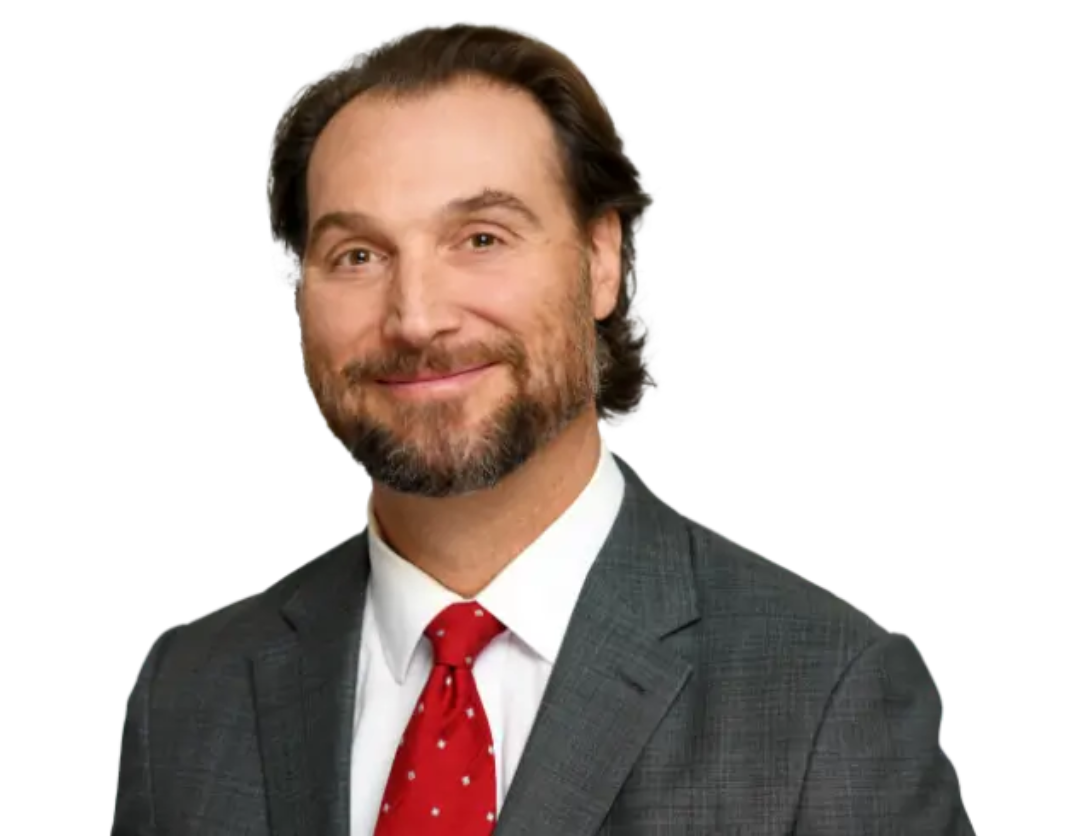
Reid Elkus
Reid Elkus’ representation of his clients ranges from individual and small businesses to very large corporations in several areas of the law. Having litigated a vast array of cases in matters including complex security cases, breach of contract, breach of partnership matters…
Client Stories
I highly recommend Colorado Accident Attorneys. Their services are awesome!! Angela de la Garza was very instrumental in getting my settlement. Always kept me informed and offered me good advice in how to go forward in my slip & fall lawsuit. I…
— Wayne N.
From the date I contacted Colorado Accident Attorneys I talked to Angela De La Garza I knew I had found a great lawyer. Back in 2019 I needed a Lawyer; for my husband, he had a very bad fall on Nov 27,2019,…
— Geronimo and Rumalda P.
We contacted Colorado Accident Attorneys about a legal issue. My husband’s call was returned promptly. Our experience was five stars all the way through the process. Brad Hansen was the attorney and Angela De La Garza his assistant. Both treated us with…
— Anonymous
Frequently Asked Questions
Can I sue if my contract waives certain damages?
Often there are paths forward. While some commercial terms limit categories of damages or shorten deadlines, enforceability depends on the clause and the facts. We evaluate exceptions recognized under Colorado law and pursue all responsible parties and insurance.
Who pays for repairs while the case is pending?
Owners must mitigate damage. Urgent repairs generally proceed to protect the asset and tenants. We document those costs and seek reimbursement as part of the claim.
Do these rules apply to Tenant Improvements?
Yes. If base-building defects (e.g., roof, structure, MEP) damage tenant build-outs, those losses are typically recoverable. We also pursue claims arising from defective interior build-outs.
What if the builder is out of business?
We explore coverage under project-period insurance (e.g., CGL) and pursue other responsible parties – design professionals, subcontractors, and suppliers – based on the facts.
Schedule Your Commercial Property Case Evaluation
Structural and system failures can quickly become costly. Strict statutes and contract provisions limit the time to act. Contact Elkus & Sisson, P.C. for a focused review of your contracts, your building’s construction defects, and a plan to protect the asset.