

Colorado Mechanical Defect Lawyers




Mechanical defects can be some of the most disruptive construction problems because they affect daily comfort, indoor air quality, and building performance. These issues often show up as recurring plumbing leaks, persistent hot and cold rooms, chronic humidity and condensation, sewer odors, or repeated service calls that do not solve the root cause. In many cases, the visible symptoms trace back to deeper problems like HVAC design errors, improper installation, failed commissioning, code violations, or coordination gaps between trades.
If you are dealing with ongoing HVAC issues, ventilation problems, plumbing leaks, or moisture tied to mechanical systems, the next step is determining whether the issue is design, workmanship, materials, commissioning, or a combination of factors.
Common signs of mechanical defects include
- Uneven temperatures, hot and cold zones, or rooms that never condition properly
- Poor airflow, noisy ducts, whistling registers, or chronic pressure imbalance
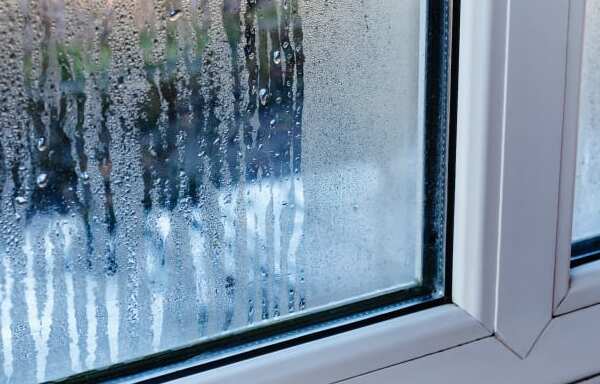
- High indoor humidity, condensation on windows, or moisture at diffusers and returns
- Musty odors, visible mold, or repeated staining near mechanical chases or wet walls
- Frequent HVAC shutdowns, short cycling, coil icing, or repeated refrigerant issues
- Ventilation problems, stale air, lingering cooking odors, or strong bathroom odors that persist
- Sewer odors, slow drains, recurring backups, or gurgling stacks
- Recurring leaks at valves, fittings, manifolds, risers, or supply lines
- Water damage from condensate overflows, clogged drains, or poorly routed discharge lines
- Premature equipment failure, including boilers, heat pumps, air handlers, or controls
How mechanical defects happen
Most mechanical defect claims come down to design and engineering, workmanship and installation, materials and product failures, commissioning, and trade coordination. Mechanical problems can also be worsened by building envelope issues because air leakage and moisture intrusion change how systems operate.
Workmanship and installation issues
- Ductwork installed with leaks, kinks, disconnections, or missing sealing at joints and penetrations
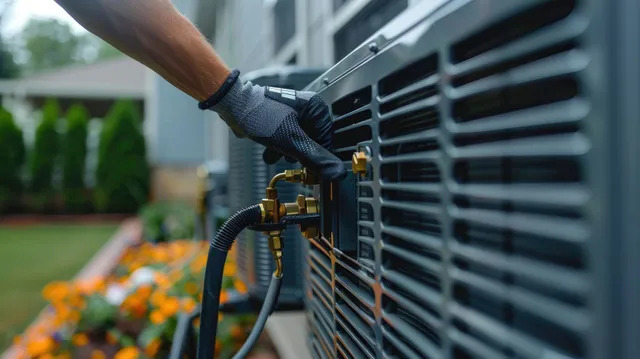
- Improper refrigerant charging, line set issues, or installation errors that reduce equipment life
- Condensate drains installed without proper slope, traps, overflow protection, or discharge management
- Vent terminations that are blocked, misrouted, or improperly located
- Plumbing connections installed with poor workmanship, incorrect materials, or inadequate supports
- Failure to insulate lines and ducts where required, leading to sweating, condensation, or energy loss
- Penetrations through rated assemblies that are not properly sealed or firestopped

Design and engineering problems
- HVAC systems that are improperly sized, leading to short cycling, humidity problems, or inadequate capacity
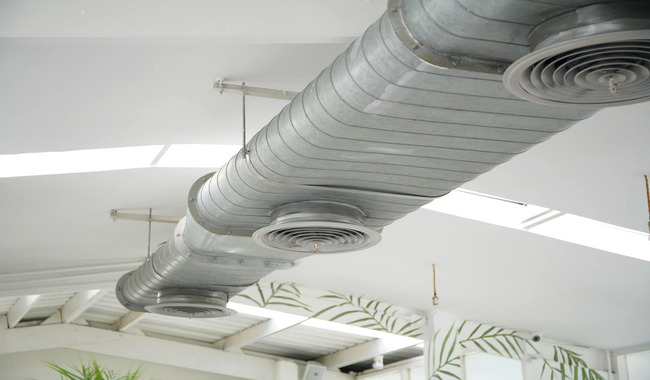
- Duct layouts that restrict airflow, lack returns, or create imbalance between supply and exhaust
- Ventilation designs that do not meet intended airflow, fresh air delivery, or code requirements
- Make up air designs that fail to support exhaust loads in multifamily or commercial spaces
- Improper equipment selection, control sequences, or zoning that creates comfort and performance failures
- Plumbing designs with improper venting, slope, or routing that contribute to odors, backups, or noise
- Hydronic and radiant designs with mismatched components, improper controls, or inadequate balancing provisions
Material defects and product failures
- Equipment or components that fail prematurely under normal operating conditions
- Defective valves, fittings, connectors, or flexible lines that leak or deteriorate early
- Control boards, sensors, dampers, or actuators that malfunction and destabilize system operation
- Plumbing materials that do not perform as represented or do not fit the application
Commissioning, testing, and balancing failures
- Systems not properly balanced, leaving airflow and pressures outside design targets
- Controls not calibrated or programmed correctly, creating cycling, comfort, and humidity problems
- Inadequate start up procedures that lead to corrosion, scale, or premature component failures
- Deficient documentation and as built information that makes future diagnostics and maintenance unreliable
Coordination failures between trades
- Mechanical chases framed too tight, forcing improper routing and compromised insulation
- Drywall and finish work concealing active leaks or blocking access panels
- Waterproofing and tile work in wet areas not coordinated with plumbing rough in and penetrations
- Building envelope and mechanical design conflicts that increase condensation risk
- Electrical and mechanical coordination problems that lead to incorrect wiring, control failures, or shutdown events
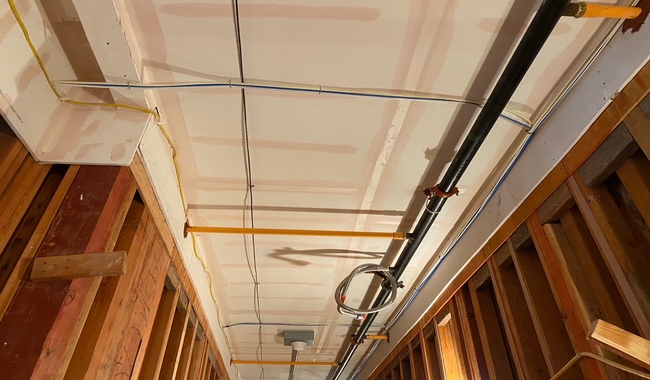
Who is affected by mechanical defects
Homeowners
Mechanical defects can lead to comfort problems, high utility bills, water damage, and mold risks when condensation or leaks go unresolved. Repeated repairs can become expensive and disruptive, especially when the underlying defect is still present.
HOAs and condo boards
Mechanical defects in multifamily buildings can spread across floors and units, especially where systems are stacked, centralized, or shared. Boards often need coordinated documentation, consistent communication with residents, and an organized inspection plan that ties symptoms to common elements and system performance.
Property owners and managers
For apartment and mixed use properties, mechanical failures can affect habitability, tenant satisfaction, and operating costs. Recurring events like leaks, odor complaints, and HVAC failures can also create scheduling and access challenges during investigation and repairs.
Developers and builders
Mechanical defect claims can involve multiple parties, including engineers, mechanical contractors, plumbers, commissioning providers, and suppliers. Early investigation helps separate isolated installation problems from project wide design or coordination issues.
Contractors and subcontractors
Trades may be brought into disputes when routing, penetrations, equipment setting, or changes in the field contributed to failures. Clear scope documentation, change orders, and testing records can matter when responsibility depends on who controlled the final configuration.
Legal claims related to mechanical defects
Mechanical defects can support a range of construction defect claims depending on the project documents, warranties, and the cause of the failure.
Common legal theories include
- Breach of contract when work does not match plans, specifications, or agreed scope
- Breach of express warranty based on builder warranties, workmanship warranties, and product warranties
- Breach of implied warranties where applicable, including workmanship and habitability concepts
- Negligence tied to unsafe installation practices, poor system coordination, or engineering errors
- Building code violations involving ventilation rates, exhaust, combustion air, plumbing venting, and safety requirements
- Misrepresentation or nondisclosure in sale or turnover situations where known issues were not disclosed
- Insurance coverage disputes when resulting water damage or related losses are denied or limited
In Colorado, construction defect matters can involve specific notice and process requirements. Early legal guidance helps align documentation, notice steps, and repair decisions with timelines that may apply.
Why choose us for mechanical defect claims
Mechanical defect cases turn on performance proof, documentation, and technical evaluation. They can escalate when leaks cause concealed damage, when humidity drives mold conditions, or when failures affect multiple units and common elements.
Elkus & Sisson, P.C. handles construction litigation with a focused approach built around evidence, documentation, and practical case planning. Clients value:
- Early investigation strategy aligned with HVAC, plumbing, and ventilation failure modes
- Clear guidance on documentation and notice steps for homeowners and HOAs
- Experience managing multi party disputes involving builders, subs, engineers, and insurers
- Coordination with qualified mechanical engineers, commissioning specialists, and indoor air quality consultants
- Trial ready preparation paired with disciplined negotiation, based on facts and project documents
Steps to take if you notice mechanical defects
1. Document symptoms and locations
Take dated photos and video of staining, corrosion, condensation, leaks, and damaged finishes. Note the room, ceiling, wall, or chase location, and whether the issue repeats.
2. Track system behavior
Write down when problems occur, during heat or cold seasons, after shower use, during cooking, or when exhaust fans run. Patterns help identify design and pressure issues.
3. Preserve key documents
Gather warranties, equipment manuals, service invoices, builder communications, inspection reports, and any testing or balancing documentation. For HOAs, include maintenance logs, turnover materials, repair histories, and resident complaint summaries.
4. Avoid replacing failed components without preserving evidence
If a part must be replaced to prevent further damage, keep the removed component when possible, and document the condition before and after. Uncontrolled replacements can make root cause harder to prove.
5. Coordinate a proper inspection
A structured inspection plan can include performance testing, airflow measurements, pressure diagnostics, moisture evaluation, and targeted openings where needed. The goal is to identify the root cause, not just symptoms.
6. Talk with a construction defect lawyer early
Early guidance helps align documentation, notice steps, and repair decisions with the timelines and legal requirements that may apply.
Our Mechanical Defect Attorneys
At Elkus & Sisson, P.C., our team of experienced attorneys is dedicated to helping property owners across Denver, Aurora, Boulder, and beyond navigate mechanical defect claims. We have a proven track record of success in holding contractors, developers, and builders accountable for defective work and ensuring our clients receive the compensation they deserve.

Donald Sisson
Donald Sisson is an accomplished lead counsel in Denver, CO with many successful outcomes in various areas of practice including complex civil litigation, construction law, real estate litigation, corporate disputes, personal injury, and police defense…

Reid Elkus
Reid Elkus’ representation of his clients ranges from individual and small businesses to very large corporations in several areas of the law. Having litigated a vast array of cases in matters including complex security cases, breach of contract, breach of partnership matters…
Client Stories
I highly recommend Colorado Accident Attorneys. Their services are awesome!! Angela de la Garza was very instrumental in getting my settlement. Always kept me informed and offered me good advice in how to go forward in my slip & fall lawsuit. I…
— Wayne N.
From the date I contacted Colorado Accident Attorneys I talked to Angela De La Garza I knew I had found a great lawyer. Back in 2019 I needed a Lawyer; for my husband, he had a very bad fall on Nov 27,2019,…
— Geronimo and Rumalda P.
We contacted Colorado Accident Attorneys about a legal issue. My husband’s call was returned promptly. Our experience was five stars all the way through the process. Brad Hansen was the attorney and Angela De La Garza his assistant. Both treated us with…
— Anonymous
Frequently Asked Questions
Is an HVAC problem a construction defect or normal maintenance?
While routine filter changes are maintenance, chronic humidity, systemic comfort imbalances, or repeated component failures often stem from design or installation defects. Under Florida law, a “material violation” of the building code that results in significant damage to a building’s systems can support a formal defect claim.
Can plumbing leaks support a construction defect claim?
Yes. Recurring leaks or widespread pipe failures are frequently tied to improper materials, poor support routing, or installation errors. Because these issues are often “latent” (hidden behind walls), they are a primary focus of Chapter 558 notices, especially when they cause secondary damage like mold or structural rot.
What if repairs have already been attempted?
Prior repairs do not disqualify a claim, but Florida’s “Notice and Opportunity to Repair” process (Fla. Stat. § 558.004) generally requires that you give the contractor a chance to inspect and offer a fix before filing a lawsuit. It is critical to preserve all replaced parts and maintenance records to prove the original cause of the failure.
How long do mechanical defect cases take in Florida?
Timelines depend on the complexity of the system and the number of parties involved. Recent 2023 changes to Fla. Stat. § 95.11 shortened the absolute “statute of repose” to 7 years, meaning investigations must be highly focused to meet stricter deadlines. Many cases resolve during the mandatory 60-to-120-day pre-suit notice period.
Talk with a construction defect lawyer about mechanical defects
If you are dealing with recurring HVAC failures, ventilation problems, plumbing leaks, condensation, or moisture damage tied to building systems, it may point to a construction defect affecting habitability and property value. Elkus & Sisson, P.C. can help you evaluate documentation, understand notice steps, and assess claim options with a construction defect lawyer. Contact our team to schedule a consultation and discuss practical next steps for your home, HOA, or project.