


Colorado Deck and Balcony Defect Lawyers



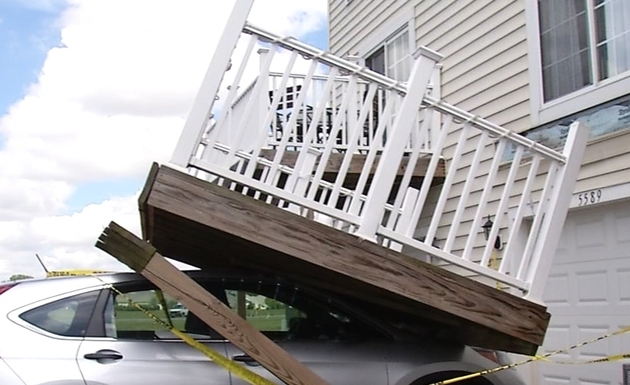
Deck and balcony defects often show up as soft spots underfoot, loose railings, leaking at doors, stained soffits, or cracking concrete that keeps getting worse. Because decks and balconies sit at the edge of the building envelope, small waterproofing or flashing mistakes can let water move into framing, sheathing, insulation, and interior finishes. In more serious cases, connection failures and guardrail defects create real safety concerns, including fall hazards and structural instability.
If you are seeing leaks, rot, cracking, rust, or movement in a deck or balcony, the next step is figuring out whether the issue is a waterproofing failure, a structural connection problem, an installation defect, or a broader building envelope and drainage issue.
Common signs your deck or balcony is failing
- Soft or spongy areas in walking surfaces
- Rotting wood, swollen trim, or deteriorating posts and beams
- Water staining on ceilings, soffits, or walls below a deck or balcony
- Leaks at sliding doors, thresholds, or adjacent windows
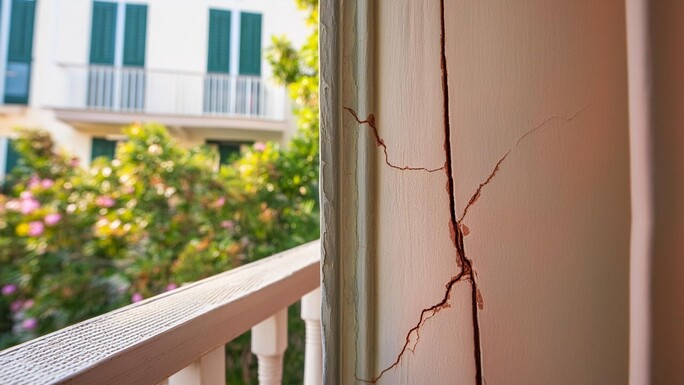
- Cracked concrete, spalling, exposed rebar, or rust staining
- Loose, wobbly, or undersized guardrails and handrails
How deck and balcony defects happen
Workmanship and installation issues
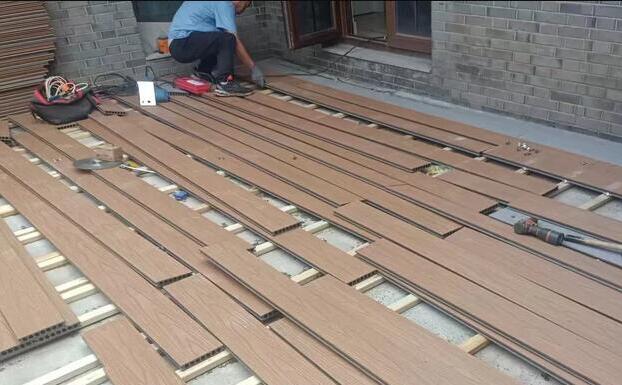
- Missing or incorrectly installed waterproofing membranes, coatings, or flashing
- Ledger boards or structural connectors installed without proper fasteners, spacing, or support
- Improper slope that lets water pond instead of draining away from the building
- Penetrations through waterproofing that are not sealed, posts, rails, lighting, and attachments
- Improper integration at door thresholds, stucco, siding, and window interfaces
- Guardrails that do not meet code requirements for height, strength, or attachment
Design and detailing problems
- Details that do not provide a clear drainage plane, weep paths, or overflow management
- Balcony designs that trap water at corners, edges, or transitions
- Insufficient allowance for building movement, thermal expansion, or differential settlement
- Structural design that does not account for live loads, cantilever conditions, or connection forces
- Inadequate detailing where balconies intersect roof lines, walls, or exterior cladding systems
Material defects and product failures
- Waterproofing products that fail prematurely, crack, delaminate, or lose adhesion
- Fasteners, connectors, or metal components that corrode due to improper material selection
- Concrete mix, curing, or reinforcement issues that contribute to cracking and spalling
- Composite decking, coatings, or sealants that degrade earlier than expected
Coordination failures between trades
- Stucco, siding, masonry, or trim installed in a way that traps water at the balcony edge
- Door and window installers failing to coordinate flashing and sill pan details at transitions
- Punch list work that punctures membranes or breaks seals after waterproofing is complete
- Electrical, plumbing, or railing installs that compromise waterproofing and drainage paths
Who is affected by deck and balcony defects
Deck and balcony defects can damage framing and finishes, create mold conditions, and raise safety concerns when guardrails or structural connections are compromised. Homeowners also face resale disclosure issues and recurring repair costs when patch work does not address the underlying failure.
For condos and townhomes, balconies and elevated decks may be common elements, limited common elements, or unit components depending on governing documents. When multiple buildings show similar symptoms, it can signal a systemic waterproofing or detailing problem. Boards often need coordinated inspections, resident communications, evidence preservation, and planning around reserves, special assessments, and staged repairs.
Deck and balcony claims often involve multi trade responsibility, including framers, waterproofers, railing installers, stucco or siding contractors, and door and window trades. Early evaluation helps determine whether the issue is isolated, or whether a project wide remediation plan makes more sense.
Trade partners may get pulled into disputes when failures occur at transitions or penetrations. Clear scope documentation and a structured inspection plan matter when multiple trades touched the same conditions.
Legal claims related to deck and balcony defects
Common legal theories include
- Breach of contract when work does not match plans, specifications, or agreed scope
- Breach of express warranty based on builder warranties, workmanship warranties, and product warranties
- Breach of implied warranties where applicable, including workmanship and habitability concepts
- Negligence tied to unsafe construction practices, improper waterproofing, or structural connection errors
- Building code violations involving guardrail requirements, structural loads, flashing, drainage, and moisture protection standards
- Misrepresentation or nondisclosure in sale or turnover situations where known issues were not disclosed
- Insurance coverage disputes when resulting water damage or related losses are denied or limited
In Colorado, construction defect matters can involve specific notice and process requirements. Early legal guidance helps align documentation, notice steps, and repair decisions with timelines that may apply.
Why choose us for deck and balcony defects
Elkus & Sisson, P.C. handles construction litigation with a focused approach built around evidence, documentation, and practical case planning. Clients value:
- Early investigation strategy tailored to the building type and suspected failure points
- Clear guidance on documentation and notice steps for homeowners and HOAs
- Experience managing multi party disputes involving builders, subs, suppliers, and insurers
- Coordination with qualified engineers and building envelope consultants
- Trial ready preparation paired with disciplined negotiation, based on facts and project documents
Steps to take if you notice deck and balcony defects
1. Document symptoms and locations
Take dated photos and video of staining, cracks, soft areas, corrosion, and movement, including underside conditions where accessible.
2. Track moisture and weather patterns
Write down when issues appear, after rain, snow melt, freeze thaw cycles, or irrigation use. Patterns help identify the failure mechanism.
3. Prioritize safety
If railings feel loose or the surface feels unstable, restrict access and document the condition. Safety planning can happen while evidence is preserved.
4. Preserve key documents
Gather purchase documents, warranties, inspection reports, repair invoices, and contractor communications. For HOAs, include governing documents, turnover materials, maintenance logs, reserve studies, and prior repair history.
5. Avoid major tear outs without a plan
Limited exploratory openings may be appropriate, but uncontrolled repairs can destroy evidence. If mitigation is necessary, document thoroughly before, during, and after work.
6. Coordinate a proper inspection
A structured inspection plan helps identify waterproofing details, structural connections, and trade interfaces, especially where multiple parties may share responsibility.
7. Talk with a construction defect lawyer early
Early guidance helps align documentation, notice steps, and repair decisions with your goals and the timelines that may apply.
Our Deck and Balcony Defect Attorneys

Donald Sisson

Reid Elkus
Client Stories
From the date I contacted Colorado Accident Attorneys I talked to Angela De La Garza I knew I had found a great lawyer. Back in 2019 I needed a Lawyer; for my husband, he had a very bad fall on Nov 27,2019,…
We contacted Colorado Accident Attorneys about a legal issue. My husband’s call was returned promptly. Our experience was five stars all the way through the process. Brad Hansen was the attorney and Angela De La Garza his assistant. Both treated us with…
Frequently Asked Questions
Are deck and balcony leaks usually a waterproofing problem?
Often yes. Common causes include missing membranes, poor flashing integration at doors and walls, blocked drainage paths, and penetrations that were not sealed. Leaks may also involve surrounding envelope systems, like stucco or siding, that direct water into the assembly.
How do I know if a balcony issue is a safety risk?
Warning signs include loose guardrails, noticeable movement, sagging, cracked or separated connections, and soft or deteriorated framing. If anything feels unstable, limiting access and arranging an evaluation helps reduce risk while documentation continues.
Can an HOA bring a deck or balcony defect claim?
Often yes, depending on whether decks and balconies are treated as common elements, limited common elements, or unit components under the governing documents, and whether the issue is systemic across the community. Coordinated inspections and consistent documentation matter in multi building situations.
Should we repair the deck or balcony before making a claim?
Mitigation to address active leaks or safety risks may be reasonable, but major demolition can erase evidence. A common approach is safety restriction if needed, thorough documentation, and an organized inspection plan before large scale replacement work.
How long do deck and balcony defect cases take in Colorado?
Timeframes vary based on the number of buildings involved, the extent of concealed damage, the number of parties, and whether the matter resolves through negotiation, alternative dispute resolution, or litigation.
Talk with a construction defect lawyer about deck and balcony defects