

Single Family Home Construction Defects in Colorado
At Elkus & Sisson, P.C., our Colorado single family construction defect attorneys provide dedicated advocacy for homeowners facing the stress and financial burden of building flaws. From foundation movement and structural failures to moisture intrusion and building envelope defects, we manage the entire legal process—including CDARA notices, forensic investigations, and courtroom litigation. We are committed to holding builders and developers accountable, ensuring your most significant investment is protected and restored.




Elkus & Sisson, P.C. represents Colorado homeowners in residential construction litigation. We help you evaluate what is happening, preserve evidence, navigate the Construction Defect Action Reform Act (CDARA) process, and pursue accountability through negotiation, litigation, or trial when needed.
Signs Your Home May Have a Construction Defect
- New or widening cracks in drywall, floors, brick, or the foundation
- Doors or windows that stick, rack, or no longer latch
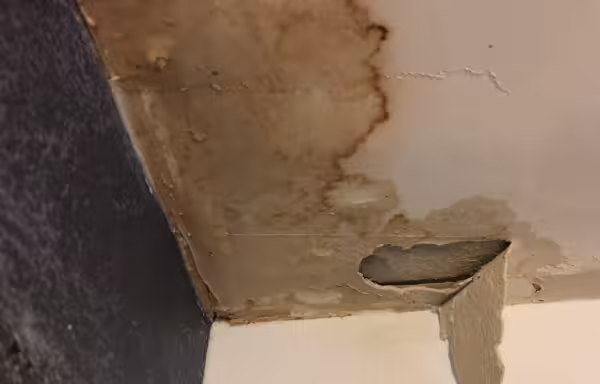
- Roof leaks, ice dam related moisture, or ceiling stains
- Persistent musty odors, visible mold, or wet insulation
- Damp crawlspaces, water in the basement, or recurring sump pump activity
- Standing water near the foundation, erosion, or failed grading
- Premature siding, stucco, or paint failure
- Deck movement, loose railings, or structural safety concerns
Common Construction Defects in Single Family Homes
Building Envelope Failures and Water Intrusion
- Roof defects and flashing failures
- Window and door leaks
- Siding or stucco installation problems
- Improper sealing at penetrations, vents, and transitions
Structural Defects and Soil Movement
- Settlement, heave, or differential movement
- Cracked or out of level slab on grade floors
- Inadequate footings, reinforcement, or load paths
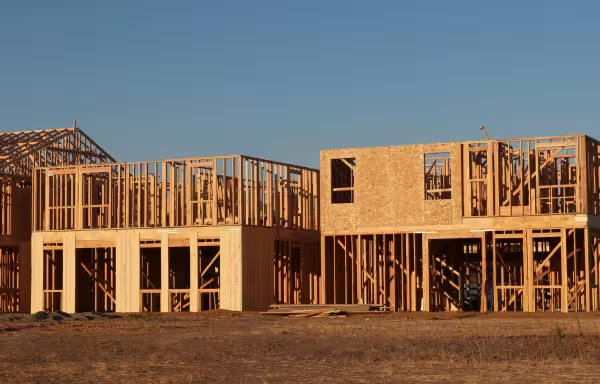
- Framing errors that lead to sagging or shifting
Mechanical and Systems Issues
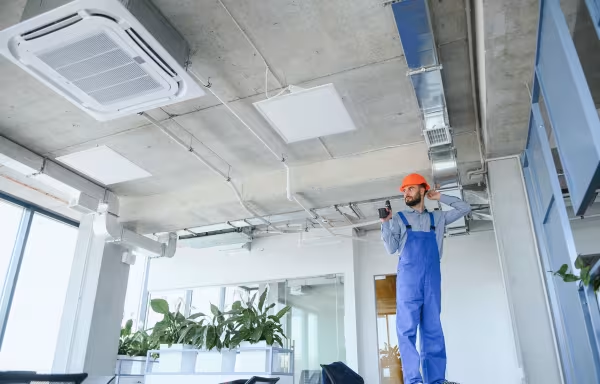
- HVAC installation issues and condensation problems
- Plumbing leaks behind walls or under slabs
- Electrical or life safety concerns tied to code compliance
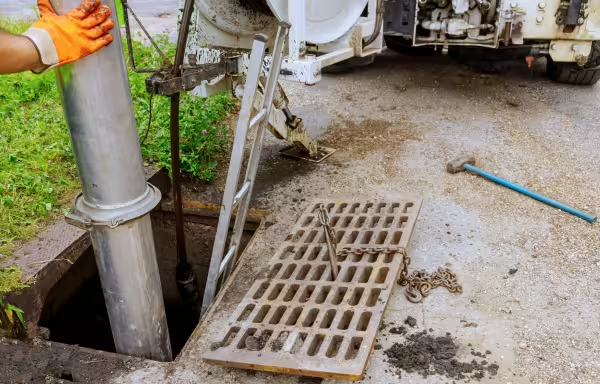
Drainage, Grading, and Site Work Problems
- Negative grading near the foundation
- Inadequate swales or drainage systems
- Downspouts that discharge too close to the structure
- Retaining wall failures tied to drainage and compaction
Who May Be Responsible
Single-family home claims require a deep dive into the construction process. Identifying the specific failure in the chain of command is the first step toward recovery.
As the project leaders, they are accountable for poor supervision and ensuring the entire build meets Colorado’s strict building codes.
Liability here stems from “paper defects”—flawed blueprints, incorrect soil analysis, or structural designs that work on paper but fail in reality.
They are liable for high-level errors, such as selecting unstable land, underfunding safety measures, or rushing construction timelines.
The specific trades (roofers, framers, or masons) are accountable for the “boots-on-the-ground” mistakes that lead to leaks or structural shifting.
Sometimes the labor is perfect, but the materials aren’t. We pursue these parties when a specific product, like a window seal or siding, fails prematurely.
Your Rights Under CDARA (Colorado Law)
Notice of Claim
MANDATORY PRESUIT
Before filing suit, owners/HOAs must provide a written notice and allow inspections and an opportunity to offer to repair. We manage the notice process and inspections so your case keeps moving and your rights are preserved.
Statute of Limitations
GENERALLY 2 YEARS
Generally two years from when you knew or should have known of the physical manifestation of a defect.
Statute of Repose
GENERALLY 6 YEARS (UP TO 8 YEARS)
Generally six years from substantial completion of the improvement; in some circumstances this can extend up to eight years.
Damages a Single Family Homeowner May Pursue
Comprehensive Repair Costs
Diminution in Value
Loss of Use & Relocation
Investigation & Expert Fees
How Elkus & Sisson Helps Single Family Homeowners
We coordinate qualified professionals such as forensic architects, structural engineers, and building envelope specialists to identify cause and scope.
We work with top regional forensic architects, structural and geotechnical engineers, and building-envelope specialists to prove causation and cost.
We often handle construction-defect matters on a contingency fee basis – no attorneys’ fees unless we obtain a recovery (costs may be advanced and reimbursed from the settlement).
Our Single Family Home Construction Defect Attorneys

Donald Sisson

Reid Elkus
Client Stories
From the date I contacted Colorado Accident Attorneys I talked to Angela De La Garza I knew I had found a great lawyer. Back in 2019 I needed a Lawyer; for my husband, he had a very bad fall on Nov 27,2019,…
We contacted Colorado Accident Attorneys about a legal issue. My husband’s call was returned promptly. Our experience was five stars all the way through the process. Brad Hansen was the attorney and Angela De La Garza his assistant. Both treated us with…
What to Do if You Suspect a Defect
- Documenting symptoms with photos and dates
- Saving communications with the builder, warranty company, and trades
- Avoiding broad repairs that erase evidence, unless safety requires it
- Requesting a legal review before signing repair releases or warranty paperwork
Frequently Asked Questions
Can I bring a claim if the builder says it is “normal settling”?
Builders often characterize movement and cracking as routine. Whether it is normal depends on the facts, the extent of movement, soils, drainage, and construction methods. An informed evaluation can clarify whether a defect claim fits.
How long does a single family construction defect case take?
Timelines vary by the defect type, number of parties, and the level of dispute. Many cases resolve after the CDARA notice and inspection process, while others proceed into litigation.
Does filing a claim affect resale value?
Defects and unresolved water intrusion commonly affect value and marketability. A claim is often about securing funding for proper repairs and documentation, which may help stabilize value after remediation.
What if the home is several years old?
Construction defect claims may still be possible, but deadlines under CDARA can apply. A prompt review helps determine whether statutes of limitation or repose impact the case.
Schedule Your Free Case Evaluation