

Structural Defects Construction Defect Lawyer



Structural defects are some of the most serious construction problems because they can affect safety, long term performance, and resale value. These issues often show up as cracking that keeps returning, uneven floors, doors and windows that stop latching, sloping, movement at beams or posts, or framing that feels out of level. In many cases, the visible symptoms are the result of a deeper problem, like foundation movement, poor framing, missing connectors, undersized structural members, or soil and drainage conditions that were not properly addressed.
If you are seeing ongoing cracking, movement, or signs that the structure is shifting, the next step is determining whether the problem is structural design, workmanship, materials, soil conditions, or a combination of factors.
Common signs of structural defects include
- Cracks in drywall, ceilings, or interior finishes that reappear after repair
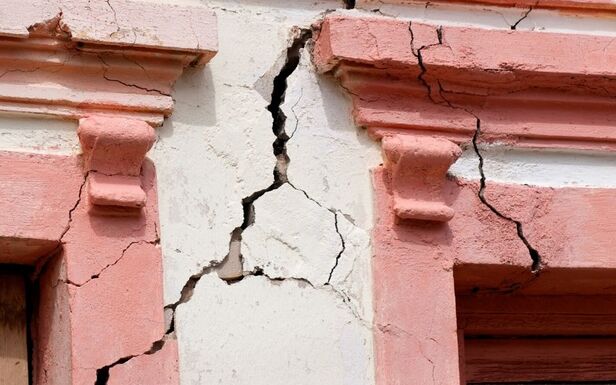
- Stair step cracks in brick or masonry, or diagonal cracks at window and door corners
- Uneven or sloping floors, bouncing floors, or noticeable deflection
- Doors and windows that stick, shift, or stop latching over time
- Gaps at baseboards, crown molding, or trim that widen or change seasonally
- Separation at joints, including wall to ceiling, wall to floor, or at framing transitions
- Sagging beams, rooflines, or visible movement in posts, columns, or supports
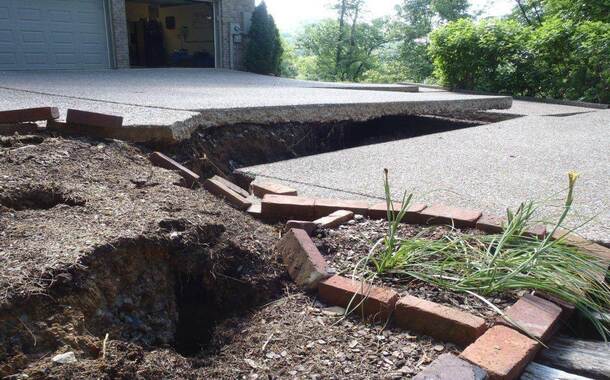
- Foundation cracks, heaving, settlement, or signs of rotation or displacement
- Nail pops, joint cracking, and fastener pull through tied to movement rather than normal shrinkage
How structural defects happen
Structural defect claims often come down to design and engineering, soil and site conditions, construction workmanship, materials, and trade coordination. Structural problems can also be worsened by water intrusion, poor drainage, or failure to manage expansive soils.
Workmanship and installation issues
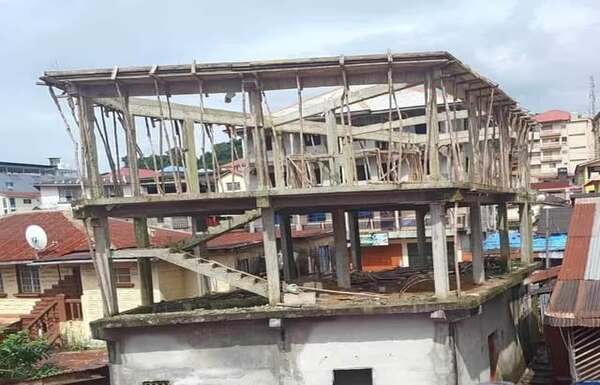
- Framing installed out of plumb or out of level, or built with inadequate bearing
- Missing connectors, improper fasteners, or incorrect nailing patterns
- Poorly executed structural repairs that mask symptoms without restoring load paths
- Inadequate anchorage to foundation elements, including sill plates and anchor bolts
- Improper installation of trusses, I joists, or engineered lumber products
- Deviations from structural plans without engineering review or approval
Design and engineering problems
- Undersized beams, joists, headers, or framing members that do not meet load requirements
- Inadequate structural details at key transitions, including openings, bearing points, and lateral bracing
- Missing or insufficient shear walls, hold downs, or lateral force resisting systems
- Incomplete or incorrect plans that fail to account for site conditions or building configuration
- Balcony, deck, or roof framing that lacks proper load paths and connection design
- Designs that do not properly address differential settlement or expansive soil movement
Soil, grading, and drainage conditions
- Expansive soils that were not properly evaluated, mitigated, or accounted for in design
- Poor compaction of fill, leading to settlement and movement over time
- Improper grading that directs water toward the foundation
- Drainage systems that are missing, undersized, or poorly installed
- Groundwater issues, irrigation overspray, or downspout discharge that saturates soils near foundations
- Surface water ponding that increases hydrostatic pressure or soil movement
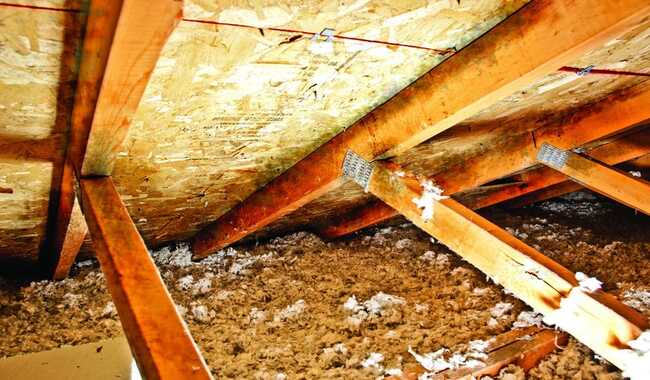
Material defects and product failures
- Defective engineered wood products, fasteners, connectors, or adhesives
- Concrete mix, curing, or reinforcement issues contributing to cracking or reduced strength
- Corrosion of connectors or embedded steel due to moisture exposure or incompatible materials
- Lumber defects or moisture related deterioration that reduces capacity over time
Who is affected by structural defects
Homeowners
Structural defects can disrupt daily life and create ongoing repair costs when the root issue is not addressed. These issues can also impact resale disclosures, financing, and insurance claims when damage escalates. Early evaluation helps determine whether the defect is limited, or whether it reflects a broader design or soil problem.
HOAs and condo boards
Structural issues can appear across multiple buildings, especially where the project shares a common foundation system, grading plan, or standardized framing details. Boards often need a coordinated inspection strategy, clear resident communications, and a plan that protects evidence while keeping the community safe and functional. Structural defects can also trigger reserve planning challenges and difficult repair sequencing.
Developers and builders
Structural defect claims often involve multiple responsible parties, including engineers, framers, foundation contractors, grading contractors, and building envelope trades when moisture accelerates movement or deterioration. Early investigation helps separate isolated workmanship issues from project wide design and site condition problems.
Contractors and subcontractors
Trades can be brought into disputes when structural members were altered, penetrated, or installed inconsistently with plans. Clear scope documentation, change orders, and inspection records can matter when responsibility turns on trade coordination or plan deviations.
Legal claims related to structural defects
Structural defects can support a range of construction defect claims depending on the project documents, warranties, and the cause of the failure.
Common legal theories include
- Breach of contract when construction does not match plans, specifications, or code requirements
- Breach of express warranty based on builder warranties, workmanship warranties, and product warranties
- Breach of implied warranties where applicable, including workmanship and habitability concepts
- Negligence tied to unsafe construction practices, improper structural installation, or engineering errors
- Building code violations involving load paths, bracing, anchorage, framing standards, and foundation requirements
- Misrepresentation or nondisclosure in sale or turnover situations when known conditions were not disclosed
- Insurance coverage disputes involving denied claims for resulting damage or repair costs
In Colorado, construction defect matters can involve specific notice and process requirements. Early legal guidance helps align documentation, notice steps, and repair decisions with timelines that may apply.
Why choose us for structural defect claims
Structural cases turn on details, plans, load paths, and documentation. They can also escalate when movement continues and secondary damage spreads through finishes, mechanical systems, and the building envelope.
Elkus & Sisson, P.C. handles construction litigation with a focused approach built around evidence, documentation, and practical case planning. Clients value:
- Early investigation strategy aligned with structural and geotechnical issues
- Clear guidance on documentation and notice steps for homeowners and HOAs
- Experience managing multi party disputes involving engineers, builders, subs, and insurers
- Coordination with qualified structural engineers and geotechnical consultants
- Trial ready preparation paired with disciplined negotiation, based on facts and project documents
Steps to take if you notice structural defects
1. Document symptoms and locations
Take dated photos and video of cracks, separations, deflection, misalignment, and any changes over time. Include wide shots for context and close ups for detail.
2. Track movement patterns
Note when cracks widen or new issues appear, including seasonal changes, after heavy precipitation, freeze thaw cycles, or irrigation use.
3. Prioritize safety
If you see signs of instability, like sagging, significant displacement, or compromised supports, restrict access to affected areas and arrange for an evaluation.
4. Preserve key documents
Gather purchase documents, warranties, inspection reports, engineering plans, repair records, and communications. For HOAs, include governing documents, turnover materials, reserve studies, maintenance logs, and prior repair history.
5. Avoid cosmetic repairs that hide evidence
Patching drywall or repainting may make the defect harder to document. If mitigation is needed, document thoroughly before, during, and after any work.
6. Coordinate a proper inspection
A structured inspection plan helps identify whether the root cause is foundation movement, soil conditions, framing, connectors, or design issues, and whether the problem is isolated or systemic.
7. Talk with a construction defect lawyer early
Early guidance helps align documentation, notice steps, and repair decisions with the timelines and legal requirements that may apply.
Our Structural Defect Attorneys

Donald Sisson

Reid Elkus
Client Stories
From the date I contacted Colorado Accident Attorneys I talked to Angela De La Garza I knew I had found a great lawyer. Back in 2019 I needed a Lawyer; for my husband, he had a very bad fall on Nov 27,2019,…
We contacted Colorado Accident Attorneys about a legal issue. My husband’s call was returned promptly. Our experience was five stars all the way through the process. Brad Hansen was the attorney and Angela De La Garza his assistant. Both treated us with…
Frequently Asked Questions
Are cracks always a sign of a structural defect?
Not always. Some minor cracking can be normal shrinkage, especially in new construction. Cracks that widen, reappear after repair, appear in patterns like stair step or diagonal cracking, or show up with sticking doors and sloping floors can signal movement that needs evaluation.
What is the difference between foundation issues and structural issues?
Foundation movement is a common cause of structural symptoms, but structural defects can also involve framing, beams, connectors, lateral bracing, or roof systems. The right inspection determines whether the foundation is moving, the structure is under designed, the framing was installed incorrectly, or multiple factors are at play.
Can an HOA bring a structural defect claim?
Often yes, particularly if the issues affect common elements, multiple buildings, or a shared foundation and grading plan. Governing documents matter, and coordinated documentation and inspections usually make the process more efficient.
Should we repair structural issues before making a claim?
Mitigation for safety can be necessary, but major repairs can destroy evidence. A common approach is to restrict access if needed, document thoroughly, and coordinate an inspection plan before significant reconstruction.
How long do structural defect cases take in Colorado?
Timeframes vary based on the number of buildings involved, the extent of concealed damage, the number of parties, expert needs, and whether the matter resolves through negotiation, alternative dispute resolution, or litigation. Strong documentation and a clear investigation plan often improve efficiency.
Talk with a construction defect lawyer about structural defects
If you are seeing recurring cracking, movement, uneven floors, or other signs of structural instability, it may point to a construction defect that affects safety and property value. Elkus & Sisson, P.C. can help you evaluate documentation, understand notice steps, and assess claim options with a construction defect lawyer. Contact our team to schedule a consultation and discuss practical next steps for your home, HOA, or project.